
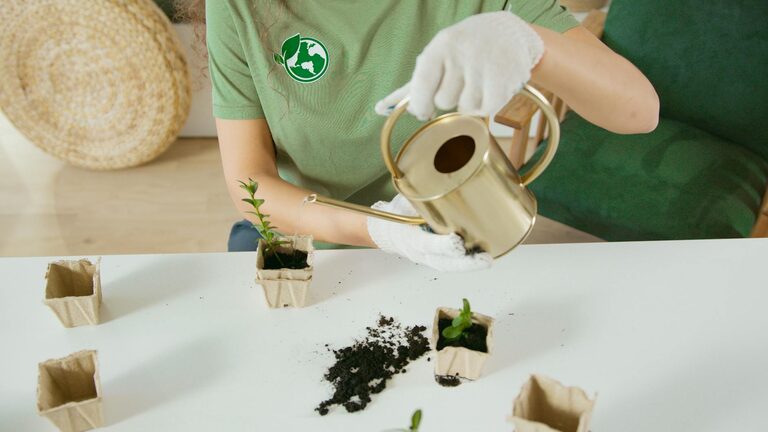
Creating a sustainable and eco-friendly home garden is not only rewarding but also a positive step toward preserving the environment. By cultivating your own green space in an earth-conscious way, you can enjoy fresh produce, attract beneficial wildlife, and reduce your ecological footprint. Whether you’re a beginner or an experienced gardener, these tips will guide you toward a garden that thrives in harmony with nature.
Why Choose a Sustainable Garden?
A sustainable garden uses resources wisely, minimizes waste, supports biodiversity, and promotes healthy soil and ecosystems. This approach benefits your home environment by reducing water use, lowering chemical inputs, and providing habitat for pollinators like bees and butterflies.
Planning Your Eco-Friendly Garden
1. Start with Native Plants
Native plants are best adapted to your local climate and soil. They require less water and fertilizer and provide food and shelter for native wildlife.
– Research native species suitable for your region.
– Include a variety of plants to support diverse insects and birds.
– Avoid invasive species that can disrupt local ecosystems.
2. Design for Efficiency and Wildlife
Create garden zones based on water needs and sunlight exposure to optimize resource use.
– Group plants with similar water requirements together (a method called xeriscaping).
– Incorporate features like birdhouses, bat boxes, and pollinator gardens to attract beneficial animals.
– Use mulching to retain soil moisture and suppress weeds.
Soil Health: The Foundation of a Sustainable Garden
3. Build and Maintain Healthy Soil
Healthy soil leads to healthy plants and reduces the need for chemical fertilizers.
– Compost food scraps, yard waste, and plant material to create nutrient-rich soil amendments.
– Use organic mulches like leaves, straw, or wood chips to improve soil structure.
– Avoid synthetic fertilizers and pesticides that can harm soil life.
4. Use Composting and Vermiculture
Composting your kitchen and garden waste recycles nutrients back into your soil.
– Set up a compost bin or pile in a convenient location.
– Consider a worm bin (vermicomposting) for faster, nutrient-dense compost.
– Use the finished compost as a natural fertilizer and soil conditioner.
Water Conservation Practices
5. Collect and Reuse Rainwater
Rainwater harvesting reduces reliance on treated water and provides plants with chemical-free water.
– Install rain barrels or cisterns to collect runoff from roof gutters.
– Use collected rainwater to irrigate your garden during dry spells.
6. Efficient Watering Techniques
Water your garden thoughtfully to minimize waste and encourage deep root growth.
– Water early in the morning or late in the evening to reduce evaporation.
– Use drip irrigation or soaker hoses to deliver water directly to plant roots.
– Avoid watering on windy days.
Pest Management in an Eco-Friendly Garden
7. Embrace Integrated Pest Management (IPM)
IPM combines cultural, biological, and mechanical methods to control pests with minimal chemicals.
– Encourage beneficial insects like ladybugs and lacewings that prey on pests.
– Hand-pick pests or use traps when appropriate.
– Grow pest-resistant plant varieties.
8. Avoid Chemical Pesticides and Herbicides
Chemical solutions can harm beneficial insects and contaminate soil and waterways.
– Use natural remedies such as neem oil, insecticidal soaps, or garlic sprays.
– Practice crop rotation and companion planting to naturally deter pests.
Growing Your Own Food Sustainably
9. Plant a Vegetable and Herb Garden
Growing your own food reduces the environmental impact of transportation and packaging.
– Choose plants that thrive locally and suit your climate.
– Rotate crops each season to maintain soil fertility.
– Save seeds from your harvest to grow the following year.
10. Practice Crop Diversity and Companion Planting
Diverse plantings help prevent disease outbreaks and improve growth.
– Mix vegetables, herbs, and flowers that support each other.
– For example, plant marigolds near tomatoes to deter nematodes.
Additional Eco-Friendly Gardening Tips
– Use recycled or sustainable materials for garden beds and paths.
– Avoid plastic pots; choose biodegradable or repurposed containers.
– Minimize lawn areas or replace grass with groundcovers to reduce water and maintenance needs.
– Plant trees strategically to provide shade and improve air quality.
Conclusion
Building a sustainable and eco-friendly home garden is a fulfilling project that benefits both you and the environment. By choosing native plants, nurturing healthy soil, conserving water, managing pests naturally, and growing your own food, you create a vibrant green space that supports biodiversity and reduces waste. Start small, stay consistent, and watch your garden flourish with nature’s help. Happy gardening!
About the Author