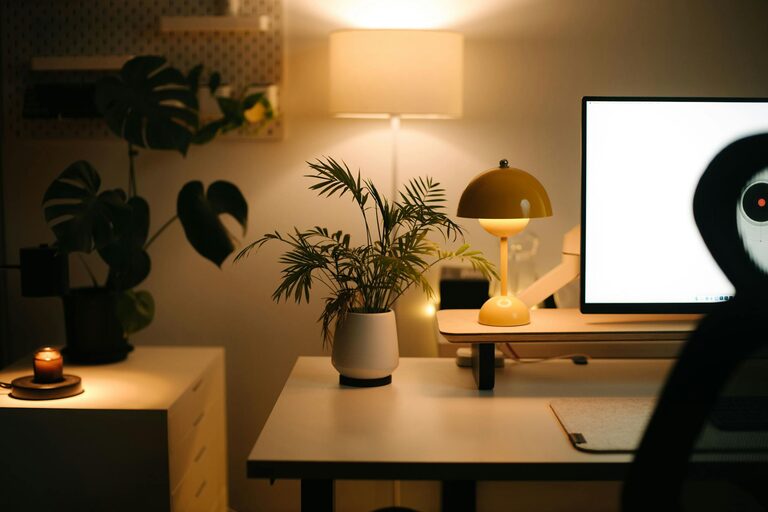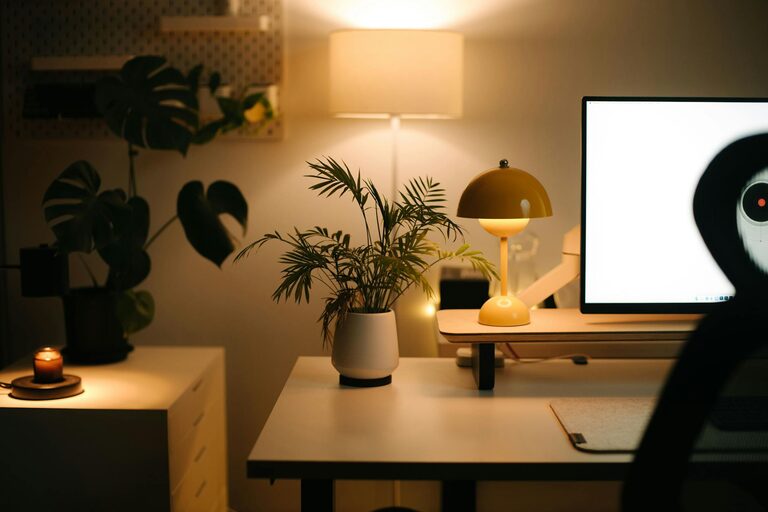
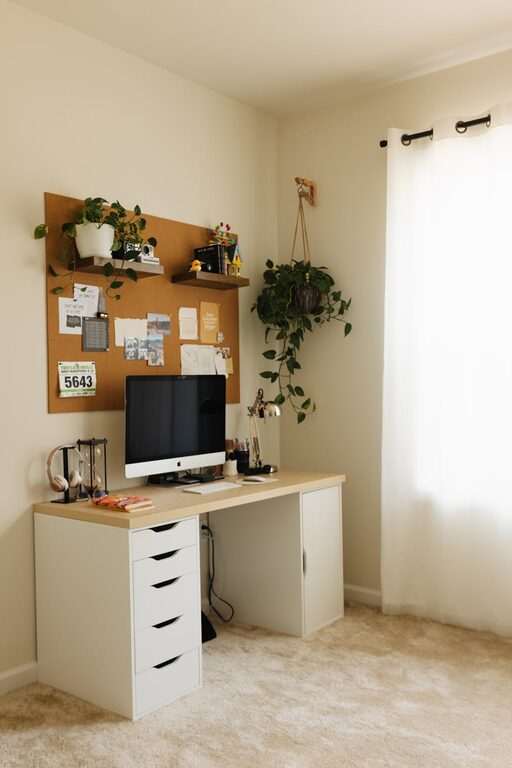
Creating a relaxing home office environment is essential for staying focused, productive, and comfortable during your workday. Whether you’re starting a new remote job or simply want to improve your current setup, thoughtful design and organization can make all the difference. This guide offers practical tips to help you transform your work area into a peaceful and efficient space.
Choose the Right Location
Find a Quiet Spot
Select a space in your home that minimizes distractions and noise. A quiet corner, spare bedroom, or even a section of a larger room can work as long as it allows you to concentrate.
Maximize Natural Light
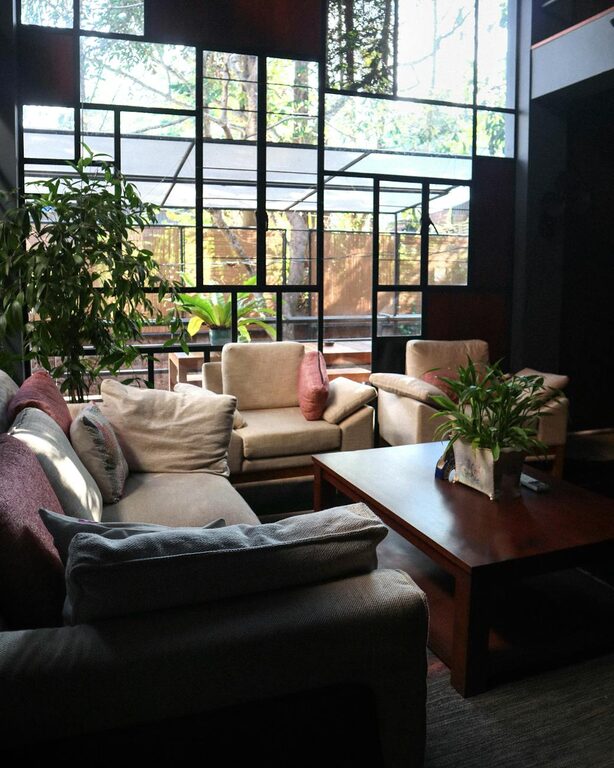
Position your desk near a window to take advantage of natural daylight. Natural light not only reduces eye strain but also elevates your mood and energy levels.
Invest in Comfortable and Ergonomic Furniture
Chair Matters
Choose a chair that supports your posture with adjustable height and lumbar support. Sitting comfortably prevents back pain and keeps you focused longer.
Desk Setup
Look for a desk at the right height to keep your wrists straight and shoulders relaxed. If possible, consider a standing desk or a convertible option to switch positions during the day.
Create a Calming Color Palette
Soothing Colors
Use colors known for their calming effects, such as soft blues, greens, or neutrals like beige and gray. Avoid overly bright or harsh colors that can cause visual fatigue.
Personalize Mindfully
Add personal touches like artwork, plants, or photos, but keep decorations minimal to avoid clutter and distractions.
Organize Your Space for Efficiency
Declutter Regularly
Keep only the essentials on your desk to maintain a clean and tidy work environment. Clutter can increase stress and reduce productivity.
Storage Solutions
Use shelves, drawers, or organizers to keep paperwork, supplies, and electronics neat and accessible. Label containers for quick retrieval.
Incorporate Elements That Promote Relaxation
Add Greenery
Plants improve air quality and have a calming effect. Small, low-maintenance plants like succulents or snake plants are ideal for indoor offices.
Use Aromatherapy
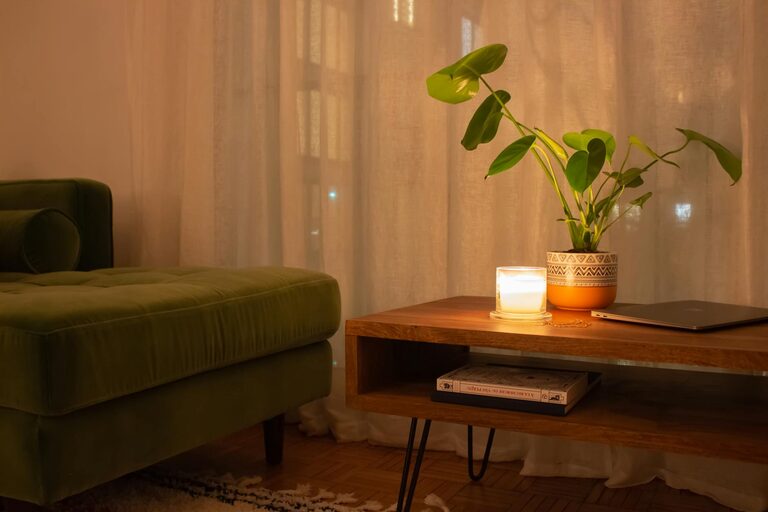
Subtle scents like lavender or eucalyptus can help reduce stress and increase focus. Consider a diffuser or scented candles, ensuring they are used safely.
Manage Lighting and Screen Glare
Adjustable Lighting
Install adjustable lamps with warm light to supplement natural light, especially for early mornings or evenings. Avoid harsh overhead lighting that can strain your eyes.
Position Screens Properly
Set your computer monitor to eye level and at a comfortable distance to prevent neck and eye strain. Anti-glare screen protectors can help reduce reflections.
Set Boundaries and Routine
Define Work Hours
Establish consistent start and end times to balance productivity with relaxation. Having clear boundaries helps your mind switch between work and personal time.
Take Breaks
Incorporate short breaks to stretch, breathe, or briefly step outside. These pauses improve mental clarity and reduce fatigue.
Use Technology Wisely
Minimize Distractions
Turn off unnecessary notifications and use website blockers if needed to keep your attention on tasks.
Productivity Tools
Use tools like task lists, calendars, or time management apps to stay organized and on schedule.
Personal Comfort and Wellness
Temperature Control
Ensure your workspace is neither too hot nor too cold. A comfortable temperature supports concentration.
Hydration and Snacks
Keep water and healthy snacks nearby to stay energized throughout the day.
—
By following these tips, you can create a home office environment that is both relaxing and productive. A well-designed workspace helps you maintain focus, reduce stress, and enjoy your time working from home. Take the time to assess your current setup and make changes that fit your needs—your comfort and efficiency will thank you.
About the Author