Creating a productive home office environment is essential for anyone who works remotely or spends significant time at home on professional tasks. A well-designed workspace can improve focus, reduce distractions, and enhance overall work satisfaction. Whether you’re new to working from home or looking to improve your current setup, these tips will help you create a space that supports your best work.
Choose the Right Location
Selecting the right spot for your home office is the foundation of productivity. Ideally, pick a quiet area with minimal foot traffic and distractions. If possible, dedicate an entire room to your office so you can separate work from home life. If space is limited, a corner in a living area with some privacy works as well.
Consider Natural Light
Natural light positively influences mood and alertness, so position your desk near a window if possible. Avoid glare on your computer screen by adjusting blinds or using curtains when the sunlight is too strong.
Invest in Comfortable and Functional Furniture
Comfort matters when you spend hours working. Investing in ergonomic furniture helps prevent strain and encourages good posture.
– Chair: Choose an adjustable chair with lumbar support.
– Desk: Select a desk that fits your space and allows comfortable legroom.
– Accessories: Consider a keyboard tray, monitor stand, or footrest to enhance ergonomics.
Adjust your workspace to your needs and stay mindful of posture throughout the day.
Keep Your Workspace Organized
Clutter can disrupt concentration and increase stress. Maintaining an organized desk and surrounding area helps you focus and work efficiently.
– Use storage solutions like shelves, filing cabinets, or baskets.
– Keep only essential items on your desk.
– Regularly declutter to prevent buildup.
Labeling files and supplies also saves time when looking for materials.
Minimize Distractions
Distractions can break your flow and reduce productivity. Identify what commonly disrupts your work and take steps to minimize these interruptions.
– Use noise-canceling headphones or a white noise machine if background noise is a problem.
– Turn off non-essential notifications on your phone and computer.
– Set boundaries with family or housemates about your work hours and space.
Personalize Your Space
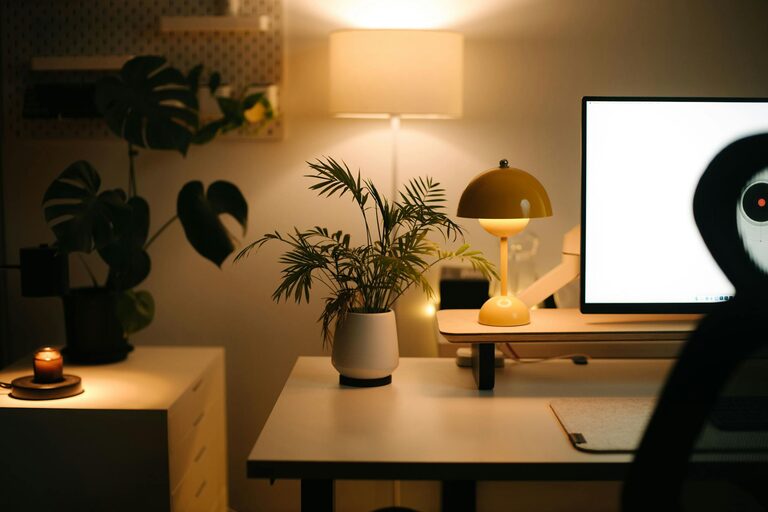
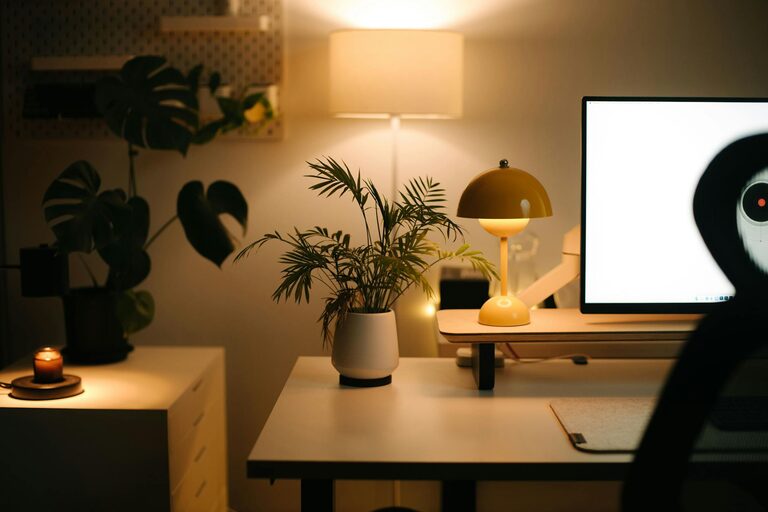
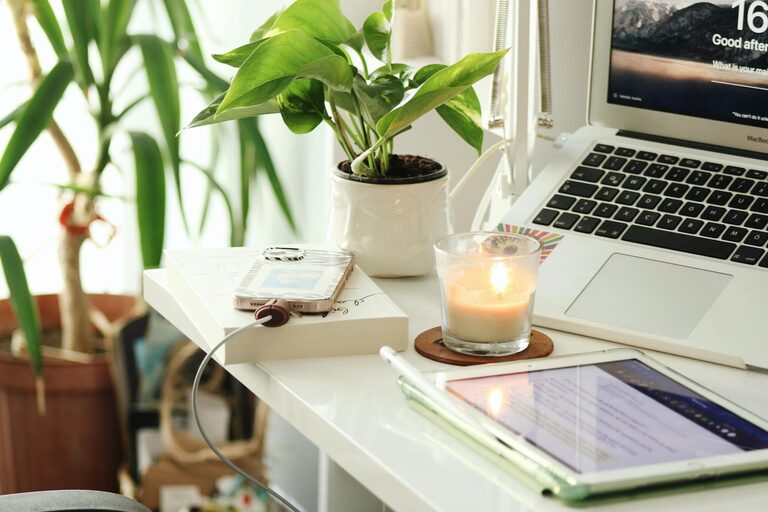
Adding personal touches can make your home office a pleasant place to be. This might include artwork, plants, photographs, or objects that inspire you. Plants, in particular, can improve air quality and create a calming environment.
However, balance personalization with simplicity to avoid creating clutter.
Implement Good Lighting
In addition to natural light, quality artificial lighting is important, especially during darker hours.
– Use adjustable desk lamps to reduce eye strain.
– Choose bulbs with light temperatures similar to daylight for alertness.
– Avoid harsh overhead lighting that can cause headaches or glare.
Develop a Routine
Having a set routine helps train your brain to switch into work mode when you enter your office space.
– Start your workday at the same time.
– Take regular breaks to stretch and rest your eyes.
– Use tools like calendars or task lists to plan your day.
Consistency promotes productivity and work-life balance.
Use Technology to Your Advantage
There are many apps and tools designed to help optimize your workday.
– Task management apps keep projects organized.
– Time-tracking tools encourage focus during work periods.
– Virtual meeting software supports remote collaboration.
Ensure your internet connection is stable and your equipment is regularly updated.
Keep Hydrated and Take Breaks
Staying hydrated and moving around throughout your day can increase alertness and reduce fatigue.
– Keep a water bottle at your desk.
– Set reminders to stand or walk every hour.
– Incorporate short exercises or stretching into breaks.
These habits support both productivity and well-being.
Conclusion
Creating a productive home office environment requires attention to physical setup, organization, and routines. By choosing the right location, investing in comfort, minimizing distractions, and incorporating personal touches, you can establish a workspace that helps you stay focused and motivated. Remember, productivity improves not just from the environment but also from how you manage your time and energy. Experiment with these tips and adjust your space to fit your unique work style. With the right environment, working from home can be both effective and enjoyable.
About the Author